The three leading causes of vision loss and blindness are diabetic retinopathy, glaucoma and macular degeneration. Any one of them can have devastating effects on a person's eyesight and their life. I had the opportunity to perform a low vision evaluation on a lady (GW) who had all three conditions. She asked for help in seeing better for some of the day to day activities that she had given up.
The top 4 things on GW's wish list were to be able to read her Bible, read her mail, use her checkbook and use her computer. Following a thorough low vision evaluation using low vision glasses she was able to do all of these things.
GW had no prescription glasses. Her doctor had recommended that she go to the store and find a pair of readers, telling her that nothing else could be done to help. She also had a low power hand magnifier. Her distance visual acuity with the right eye was 20/240 and 20/700 with the left. When I measured the power of her eyes I found that there was a moderate amount of astigmatism in each eye. Correcting that alone did not improve her vision very much.
A 4X Clear Image microscopic lens combined with the astigmatism correction allowed GW to read a large print Bible easily. With that lens she read letters one third the size that she could with the readers.
When the astigmatism correction was used along with a 2.2X bioptic telescopic lens for distance vision GW was able to read 20/60 letters, one fourth the size that she was able to read with no lenses. She was able to see her husband's face well from about 20 feet and saw the cars and people well when she tested the bioptics outdoors.
GW ordered the Clear Image microscopic glasses for reading, the bioptic telescopic glasses for television and to recognize faces when she is at church or shopping. In addition, she has a lens cap for the telescopic glasses that allows her to use her computer with them.
Although this nice lady has the three most damaging eye diseases she responded very well to low vision glasses and is enjoying them.
You might think that someone with this combination of eye diseases could not find help. The reason that I accepted her as a patient and is that I'd interviewed her by phone and was sure in advance of her appointment that I could help. I do not accept low vision patients until we have talked by phone and I feel that they have sufficient vision that I can help them achieve their goals.
If you would like to talk about your low vision problem and your goals please give me a call. We can quickly determine if I will be able to help you. Call me toll free 1 866 321-2030.


Popular Posts
-
A ninety year old lady who'd been referred by her ophthalmologist came for her low vision evaluation today. She has both glaucoma and m...
-
The National Eye Institute has just published a fact sheet for consumers which helps clarify the use of vitamin supplements for persons with...
-
 I recently dispensed low vision glasses to Kris Cavanagh, a young mom from Virginia. Kris has had Stargardt's Disease for about 9 yea...
 -
Today's issue of AOA First Look includes the following synopsis of a US News & World Report article about protecting your eyes from ...
-
 I overheard two patients talking about their low vision glasses yesterday. One lady said to the other, "They're expensive...

About Me
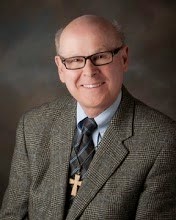
- Dr. David L. Armstrong
- Dr. Armstrong has practiced optometry in Virginia for over 35 years. He serves low vision patients from offices in Roanoke, Charlottesville, Harrisonburg and Wytheville,Virginia. Dr. Armstrong's experience includes serving as an optometry officer in the U.S. Army, member of the medical staff at the Veterans Administration Hospital in Salem, VA, consulting optometrist for the Virginia Department of Corrections in addition to his private optometry practice. He is a member of the Virginia Optometric Association, the American Optometric Association and the International Academy of Low Vision Specialists. For more information visit www.VirginiaLowVision.com