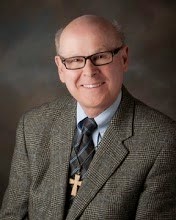
I have posted several YouTube videos that may be interesting to anyone dealing with low vision. Here is a partial list of links:
Low Vision Glasses for Reading
https://youtu.be/ehpIuBWi1uI
Bioptic Telescopic Glasses
https://youtu.be/0N9TSR7e38Y
Driving with Bioptic Glasses
https://youtu.be/Uk5k_DaXCeQ
"I've been fighting for my eyesight all of my life."
https://youtu.be/pZVJC-KdRiA
Free Telephone Consultation with Dr. Armstrong
https://youtu.be/KJkro7ZloQo
There is more info on my website www.VirginiaLowVision.com
Showing posts with label bioptic glasses. Show all posts
Showing posts with label bioptic glasses. Show all posts
Thursday, June 18, 2015
Monday, March 30, 2015
Sad Consequences of Low Vision
A study reported in the British Journal of Ophthalmology brings up another possible consequence of vision loss, suicidal thoughts or attempts. The online newsletter of the American Optometric Association, AOA First Look, contained the following brief article with link to an article in Reuters which you can read if you wish.
This study highlights a whole new possible consequence of low vision. While I have not heard of possible suicide, I have been told by patients or their family that they've suffered from depression since losing vision. It is not surprising. When vision decreases to the level where someone can no longer drive, read or recognize faces they have lost independence. That can be devastating. It is a very difficult adjustment to go from life long good vision to dealing with the consequences of macular degeneration, diabetic retinopathy or glaucoma.
Reading the Reuters article may give you a bit more insight into the issues faced by a person with low vision. Happily, some of these people can regain independence through the use of special low vision devices, microscopic or telescopic glasses as well as other types of devices. You can read of the successes of some of my patients on my Facebook page. www.Facebook.com/VirginiaLowVisionOptometrist
Study: As Vision
Worsens, Suicidal Thoughts, Attempts May Increase.
This study highlights a whole new possible consequence of low vision. While I have not heard of possible suicide, I have been told by patients or their family that they've suffered from depression since losing vision. It is not surprising. When vision decreases to the level where someone can no longer drive, read or recognize faces they have lost independence. That can be devastating. It is a very difficult adjustment to go from life long good vision to dealing with the consequences of macular degeneration, diabetic retinopathy or glaucoma.
Reading the Reuters article may give you a bit more insight into the issues faced by a person with low vision. Happily, some of these people can regain independence through the use of special low vision devices, microscopic or telescopic glasses as well as other types of devices. You can read of the successes of some of my patients on my Facebook page. www.Facebook.com/VirginiaLowVisionOptometrist
Study: As Vision
Worsens, Suicidal Thoughts, Attempts May Increase.
Reuters 


Friday, March 20, 2015
Keep Your Eyes Healthy
Today's issue of AOA First Look includes the following synopsis of a US News & World Report article about protecting your eyes from some of the main causes of low vision. Click the link to read this helpful information. For people who have lost vision from eye disease or some other cause a low vision optometrist may be able to help.
I speak with all low vision patients before scheduling an appointment. By asking a few questions about your remaining vision and your goals I will be able to tell you if low vision glasses will help you. There is no charge for the telephone consultation or the toll free call. Call me at 1 866 321-2030. More information on my website www.VirginiaLowVision.com
National Eye Institute Offers Advice To Keep Eyes Healthy.
I speak with all low vision patients before scheduling an appointment. By asking a few questions about your remaining vision and your goals I will be able to tell you if low vision glasses will help you. There is no charge for the telephone consultation or the toll free call. Call me at 1 866 321-2030. More information on my website www.VirginiaLowVision.com
National Eye Institute Offers Advice To Keep Eyes Healthy.
US News & World Report
Wednesday, January 28, 2015
"They're expensive but they are worth it."
I overheard two patients talking about their low vision glasses yesterday. One lady said to the other, "They're expensive, but they are worth it". The second lady agreed.
It was interesting to hear the comment because both of the ladies have seen significant benefits from their telescopic glasses. One lady, Laura Cunningham, was about to lose her driving privileges 3 years ago because macular degeneration had blurred her vision. Laura's retinal specialist recommended that she come to me for help. The bioptic telescopic glasses that I prescribed allowed her to obtain a special Virginia driver's permit. She's kept her independence and is able to drive around the small town where she lives. Yesterday she again passed the state's vision requirements and will be able to continue driving. Sometimes maintaining the ability to do the things that are important to us can be expensive. Staying independent is certainly worth it.
The second lady, Phyllis Gibson, has had significant vision problems since infancy. She has lost vision from corneal scaring and glaucoma. She's had corneal transplants and cataract surgery. She has been treated by numerous doctors at some of the most prestigious eye centers on the east coast. Phyllis told me "I've been fighting for my eyesight all of my life". Finally, she consulted a different ophthalmologist who looked beyond treating the eye diseases and recommended that she see me. The doctor hoped her life could be improved if low vision glasses helped her see better.

 You can see Phyllis in the photo to the right wearing the telescopic glasses that I prescribed. With them she is able to read a standard size book, see TV better and see well for painting pictures. She is an artist. She has had to give up painting and is looking forward to getting back to it. Phyllis is the lady who I quoted. "They're expensive, but they are worth it." It is easy to see why she feels that way.
I appreciate these two patients and the doctors who referred them to me. Many people who have been told that nothing can be done to help them see better would benefit from low vision glasses. Ask your doctor if you might benefit. I'd be happy to speak with you on the phone. Call me for a free telephone consultation. 1 866-321-2030 More info at www.VirginiaLowVision.com
It was interesting to hear the comment because both of the ladies have seen significant benefits from their telescopic glasses. One lady, Laura Cunningham, was about to lose her driving privileges 3 years ago because macular degeneration had blurred her vision. Laura's retinal specialist recommended that she come to me for help. The bioptic telescopic glasses that I prescribed allowed her to obtain a special Virginia driver's permit. She's kept her independence and is able to drive around the small town where she lives. Yesterday she again passed the state's vision requirements and will be able to continue driving. Sometimes maintaining the ability to do the things that are important to us can be expensive. Staying independent is certainly worth it.
The second lady, Phyllis Gibson, has had significant vision problems since infancy. She has lost vision from corneal scaring and glaucoma. She's had corneal transplants and cataract surgery. She has been treated by numerous doctors at some of the most prestigious eye centers on the east coast. Phyllis told me "I've been fighting for my eyesight all of my life". Finally, she consulted a different ophthalmologist who looked beyond treating the eye diseases and recommended that she see me. The doctor hoped her life could be improved if low vision glasses helped her see better.
You can see Phyllis in the photo to the right wearing the telescopic glasses that I prescribed. With them she is able to read a standard size book, see TV better and see well for painting pictures. She is an artist. She has had to give up painting and is looking forward to getting back to it. Phyllis is the lady who I quoted. "They're expensive, but they are worth it." It is easy to see why she feels that way.I appreciate these two patients and the doctors who referred them to me. Many people who have been told that nothing can be done to help them see better would benefit from low vision glasses. Ask your doctor if you might benefit. I'd be happy to speak with you on the phone. Call me for a free telephone consultation. 1 866-321-2030 More info at www.VirginiaLowVision.com
Wednesday, October 22, 2014
Bioptic Driving Video
All of my patients have reduced vision. When I ask what activities they most want me to help with the top two are reading and driving. Because I screen patients by phone before scheduling them I am usually able to help them achieve their goals.
 Most states allow people with low vision to drive while wearing bioptic telescopic glasses. The states issue a special license to these people. I thought that it would be interesting for people to see how someone drives with bioptics and to actually have a chance to look through them. So I have posted a selfie video on my website. The video shows me driving while wearing bioptic glasses. As I drive along I explain them and discuss the requirements for obtaining a permit in Virginia. Finally I park and give the viewer an opportunity to look through the glasses and see what I am seeing.
If you'd like to learn about bioptic driving take a look at the video. I hope you find it interesting. Just click on this link to get to the video. www.VirginiaLowVision.com #biopticdriving #bioptictelescopes
Most states allow people with low vision to drive while wearing bioptic telescopic glasses. The states issue a special license to these people. I thought that it would be interesting for people to see how someone drives with bioptics and to actually have a chance to look through them. So I have posted a selfie video on my website. The video shows me driving while wearing bioptic glasses. As I drive along I explain them and discuss the requirements for obtaining a permit in Virginia. Finally I park and give the viewer an opportunity to look through the glasses and see what I am seeing.If you'd like to learn about bioptic driving take a look at the video. I hope you find it interesting. Just click on this link to get to the video. www.VirginiaLowVision.com #biopticdriving #bioptictelescopes
Subscribe to:
Posts (Atom)